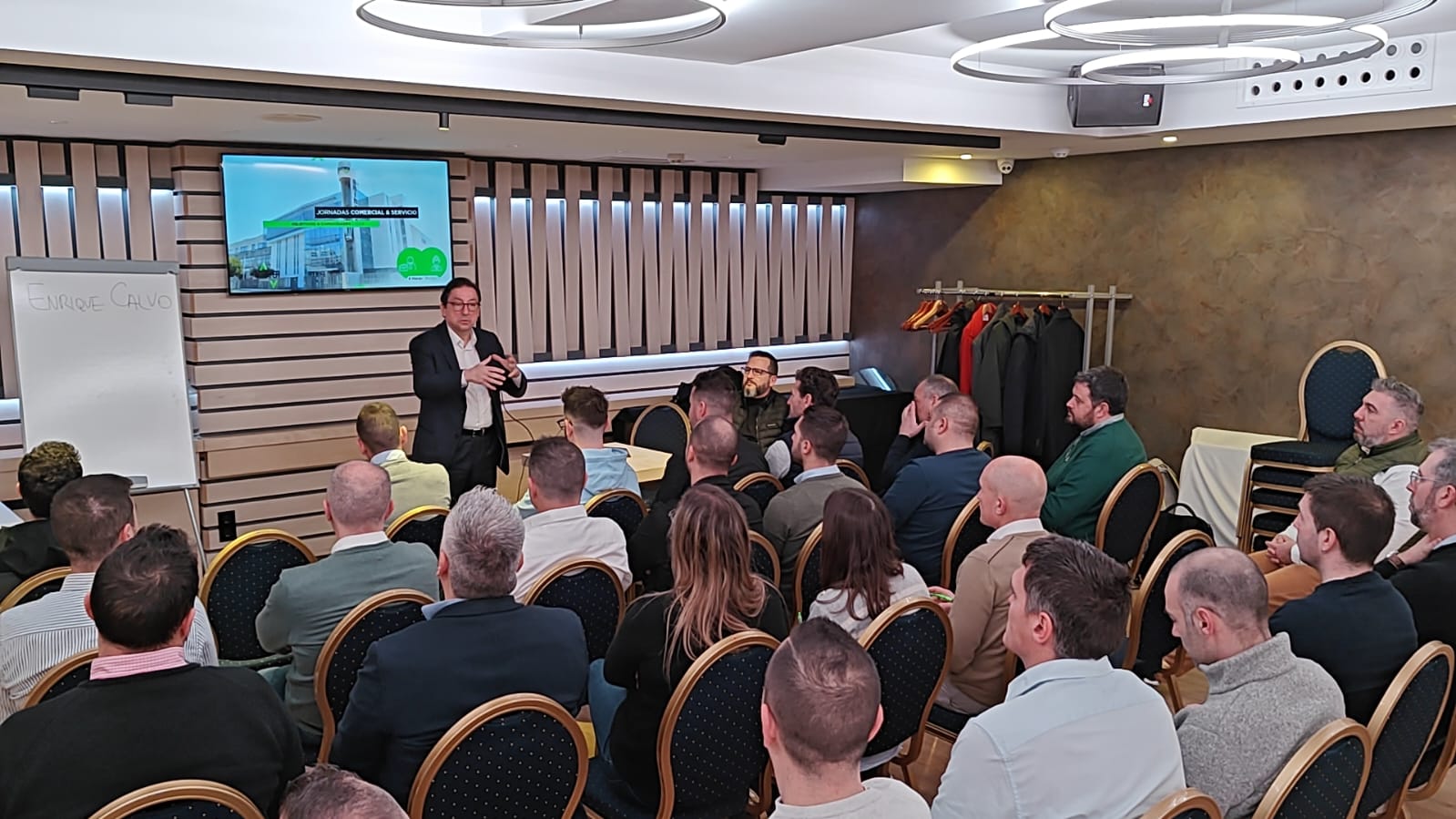
I do not believe there is a single right way to lead people. Every leader has their own style, personality and way of relating to their team. Different models can work: what matters is feeling comfortable with who you are, remaining authentic and delivering results without betraying your values.
It reminds me — with all due respect to the differences involved — of Marc Márquez. He has a distinctive, almost inimitable riding style. Other riders can observe him and try to incorporate certain elements, but for him it comes naturally. He rides in a way that feels right to him.
Something similar happens in leadership. We can study different models and learn from others, but we cannot spend our lives playing a role. Each of us must find our own way of leading.
Focus comes first
I firmly believe that we should not complicate what can be explained simply. The clearer the message, the easier it is for people to understand it, embrace it and act upon it.
Whenever I start a project, the first thing I do is identify the main objective. Every company and every situation require a different focus. Sometimes the priority is growth. At other times, it is growth while protecting profitability. Sometimes the business needs to consolidate; on other occasions, it requires a turnaround to restore its sustainability.
There may be secondary objectives, but we must know which one comes first. If we do not know where we are going, it will be difficult to know whether we have arrived.
Communicate until you create conviction
Defining the objective is not enough. It must be communicated and explained until people genuinely believe in it. This requires solid arguments, but also passion, energy and confidence.
I have no doubt that you will achieve the objective. In fact, you have already achieved it — you simply do not realise it yet.
I say “you will achieve it” because my role is to set the direction, lead, support the team and provide the necessary resources. But it is the people in the team who turn objectives into results.
Hard work, attitude and perseverance
I know of no serious formula for achieving ambitious objectives that does not involve hard work, commitment, method, discipline and consistency. Talent helps, of course. But without hard work, it rarely produces sustainable results.
We need to be ambitious, believe in our abilities and refuse to become paralysed by difficulties. If one door closes, we will look for a window. And if there is no window, we will find another way in.
Break down the journey and follow up
A major objective can seem distant. That is why it must be broken down into smaller, concrete and measurable milestones. Then comes an essential part: follow-up. It may be daily, weekly or monthly, depending on the project, but it must always remain close to the people involved.
I do not see follow-up as remote control or supervision. Its purpose is to understand where we are, identify deviations early, solve problems and help people honour their commitments.
Leadership means helping people succeed
A leader’s role is not simply to demand results. A leader must also support, develop, motivate, accompany, monitor and, when necessary, push people beyond what they believe they can achieve.
When someone no longer wants to be part of the project or no longer identifies with it, we should discuss it honestly and look for a constructive solution. There is nothing worse than spending years in a place where you do not want to be.
Values, trust and delegation
None of this works without clear values: respect for the rules, integrity, loyalty, honesty and respect for every person’s role. When there is a problem, it should be addressed face to face. Respecting responsibilities and boundaries is also a way of building trust.
Finally, we must genuinely delegate: set the direction, agree on the objectives, provide the necessary resources and then allow people to do their job. Trust people and give each person the opportunity to take responsibility.